Langkah Berani Indonesia Terapkan B50 yang Bikin Jepang dan Eropa Kepincut Pelajari
Global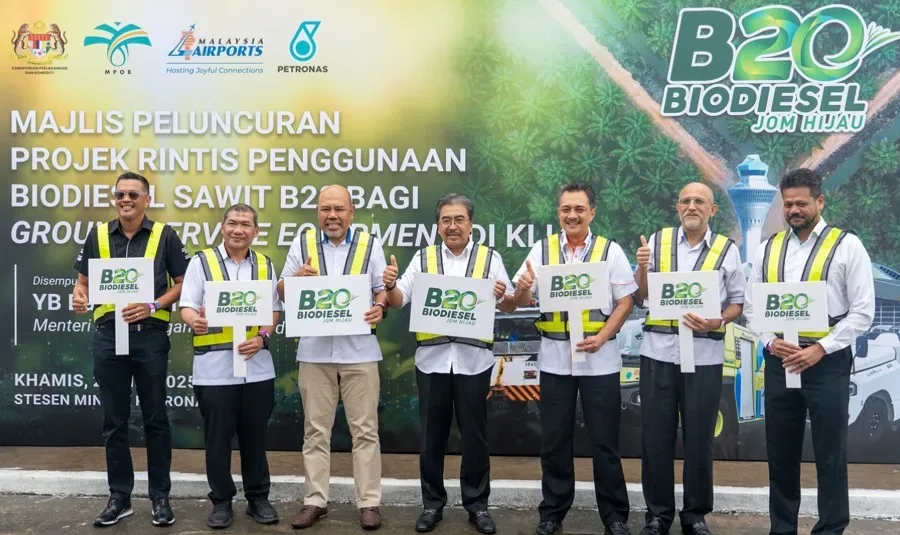
Malaysian Biodiesel Association Calls for Accelerated B20 and B30 Rollout
The ongoing West Asia conflict which has disrupted key shipping routes and oil production - had caused global fuel supply chains to come under severe pressure, once again highlighting the vulnerability of energy security for importing nations, including Malaysia. It has led to higher fuel prices globally, with direct implications for domestic fuel costs, inflation and overall economic stability.
Over the past week; Indonesia and Thailand have announced measures to further advance their national biodiesel programmes by increasing biodiesel blending levels. Indonesia has moved from B40 to B50, while Thailand from B5 to B7 and expand the availability of B20 as an alternative option. These actions are aimed at lowering consumer fuel costs, supporting farmers and strengthening national energy security during periods of global supply disruptions.
In Malaysia, the B20 biodiesel programme for the transport sector was launched in February 2020. However, its implementation to date has been limited to Pulau Langkawi, Kedah, Labuan, and Sarawak, while B7 remains the applicable blend in the industrial sector. Nearly six years on, nationwide rollout has yet to be realised.
The Malaysian Biodiesel Association (MBA) urges the Government to follow the proactive measures as announced by other ASEAN counterparts and expedite the nationwide implementation of higher blends under the national biodiesel programme for both the transport and industrial sectors. For locations where blending infrastructure that is already technically capable, higher biodiesel blending levels between B10 to B20 should be implemented immediately.
While MBA acknowledges that progress towards higher blends has been constrained by the readiness of blending infrastructure, the Government should accelerate its upgrading to enable blending level of up to B30 nationwide. The current global situation underscores that this is no longer a matter of policy preference, but one of national strategic importance.
Leveraging Malaysia’s strength as a leading palm oil producer, biodiesel use outside the national biodiesel blending programme should be further encouraged with the exemption of the 10% sales tax on biodiesel by the Government. The combined impact of the national biodiesel programme and voluntary biodiesel use would enhance energy security, lower greenhouse gas emissions, savings in foreign exchange, reduce exposure to global oil price shocks and improved fiscal resilience, while continuing to support the domestic palm oil sector and rural livelihoods.
MBA reiterates its strong support for higher biodiesel blending mandates as part of Malaysia’s immediate and long-term national objectives. This position should be firmly reinforced in the upcoming review of the National Biofuel Policy, supported by a coherent and well-articulated long-term biodiesel strategy. The impending implementation of the carbon tax mechanism in Malaysia should further encourage and justify the adoption of higher biodiesel blends in both the transport and industrial sectors in Malaysia. A clearer policy direction will provide much-needed certainty to industry stakeholders, investors, and consumers alike.
Economy Minister Akmal Nasrullah Mohd Nasir said the integration of green biofuels is the most effective and immediate method to enhance the nation's energy resilience. He said modifying industrial refining processes would not burden the government's fiscal funds, as it leverages existing blending infrastructure at the country's terminal facilities.
Akmal predicted that the impact of the global energy market cycle would take up to 18 months to peak, necessitating a structural build-up of national economic resilience.
The technical capacity of the local sector is currently bolstered by a manufacturing capacity of 2.36 million metric tonnes, significantly exceeding the actual production of 975,207 tonnes recorded in 2025.
(Source: Malaysia Biodiesel Association and nst.com.my)
Artikel Terkait